
Mission: Our mission is to educate and inspire communities to adopt healthy eating habits that promote lifelong wellness and equity by empowering individuals and families with nutrition knowledge, practical resources, and community-based support.
Focus: Visual and performing arts, to promote inclusion and creativity.
Operations: Provides inclusive visual and preforming art sessions for learning opportunities.
Impact: The program aims to improve health, happiness, and well-being through creative purpose.
Support: Relies on donations and product sales to fund opportunities for our students.
Creative Kids' Healthy Eating & Art Program
*
Creative Kids' Healthy Eating & Art Program *
Purpose: of this organization is to empower communities through nutrition education and access to resources that encourage healthy food choices and support lifelong wellness and equity.
H.E.A.R.T
〰️
H.E.A.R.T 〰️
💖🎨🍎 H.E.A.R.T. PROGRAM GOALS
🌈 Ages 2–5 (Early Learners)
Goal: Build joyful early experiences with healthy food, language, and creativity.
🍎 Identify and name at least 5 fruits and vegetables through play, art, and storytime
📚 Develop early literacy skills by listening to food-themed stories, songs, and rhymes
🎨 Explore creativity through sensory art projects connected to colors, shapes, and foods
🤝 Practice sharing, turn-taking, and cooperation during group activities
💖 Build positive associations with healthy eating in a safe, encouraging environment.
I. SMART Goals (Specific, Measurable, Achievable, Relevant, Time-Bound)
🌈 Ages 2–5
Goal 1:
Within a 10-week program cycle, 80% of participating children ages 2–5 will correctly identify and verbally name at least 5 fruits and vegetables, as measured by facilitator observation checklists.
Goal 2:
By program completion, 75% of children ages 2–5 will demonstrate increased willingness to try at least one new fruit or vegetable, documented through tasting logs and caregiver reports.
🌟 Ages 6–12 (School-Age Learners)
Goal: Strengthen knowledge, confidence, and decision-making through creative learning.
🥕 Identify, describe, and taste a variety of fruits and vegetables, including new foods
📖 Improve reading comprehension and vocabulary using nutrition-themed texts and discussions
🎨 Express understanding of healthy habits through art, writing, and creative projects
🧠 Demonstrate informed food choices and basic nutrition knowledge
🤝 Strengthen teamwork, leadership, and communication through collaborative activities
I. SMART Goals (Specific, Measurable, Achievable, Relevant, Time-Bound)
🌟 Ages 6–12
Goal 3:
Within one program cycle, 80% of children ages 6–12 will show improved nutrition knowledge by scoring 20% higher on post-program assessments compared to pre-program surveys.
Goal 4:
By the end of the program, 70% of participants ages 6–12 will demonstrate improved reading comprehension and vocabulary related to health and nutrition, as measured by curriculum-aligned literacy assessments.
👨👩👧👦🌻 Whole Family (Family Engagement Model)
Goal: Empower families to create healthy habits together through creativity and connection.
🍽️ Increase family knowledge of healthy eating and balanced meals
🎨 Engage families in creative activities that spark conversations about food and wellness
💬 Strengthen parent-child communication around nutrition, emotions, and routines
🌱 Encourage families to try new fruits and vegetables together at home
💚 Support culturally responsive, sustainable healthy habits across generations
I. SMART Goals (Specific, Measurable, Achievable, Relevant, Time-Bound)
👨👩👧👦 Whole Family
Goal 5:
Within 30 days of program completion, 70% of participating families will report increased healthy food conversations and at-home fruit and vegetable consumption, measured through family surveys.
Goal 6:
By the end of the program cycle, 75% of caregivers will report increased confidence in supporting their child’s healthy eating and learning habits.
II. Assessment Tools
📋 Observation & Checklists (Facilitators)
Fruit and vegetable identification checklist
Participation and engagement tracking
Social interaction and teamwork observation
Willingness-to-try-new-foods log
📝 Surveys & Questionnaires
Pre/Post Child Surveys (Ages 6–12):
Nutrition knowledge
Food attitudes and preferences
Reading confidence
Caregiver Surveys:
Child’s food exposure at home
Family eating habits
Program satisfaction and impact
👀 Informal Assessments
Art-based reflections (drawings, stories, crafts)
Group discussion observations
Photo documentation of activities (with consent)
III. Logic Model – H.E.A.R.T. Program
🔹 Inputs
Trained educators and facilitators
Age-appropriate books and art supplies
Fresh fruits and vegetables
Curriculum aligned to nutrition and literacy standards
Community partnerships and volunteers
🔹 Activities
Nutrition-themed storytime and reading circles 📚
Hands-on fruit and vegetable tasting activities 🍎
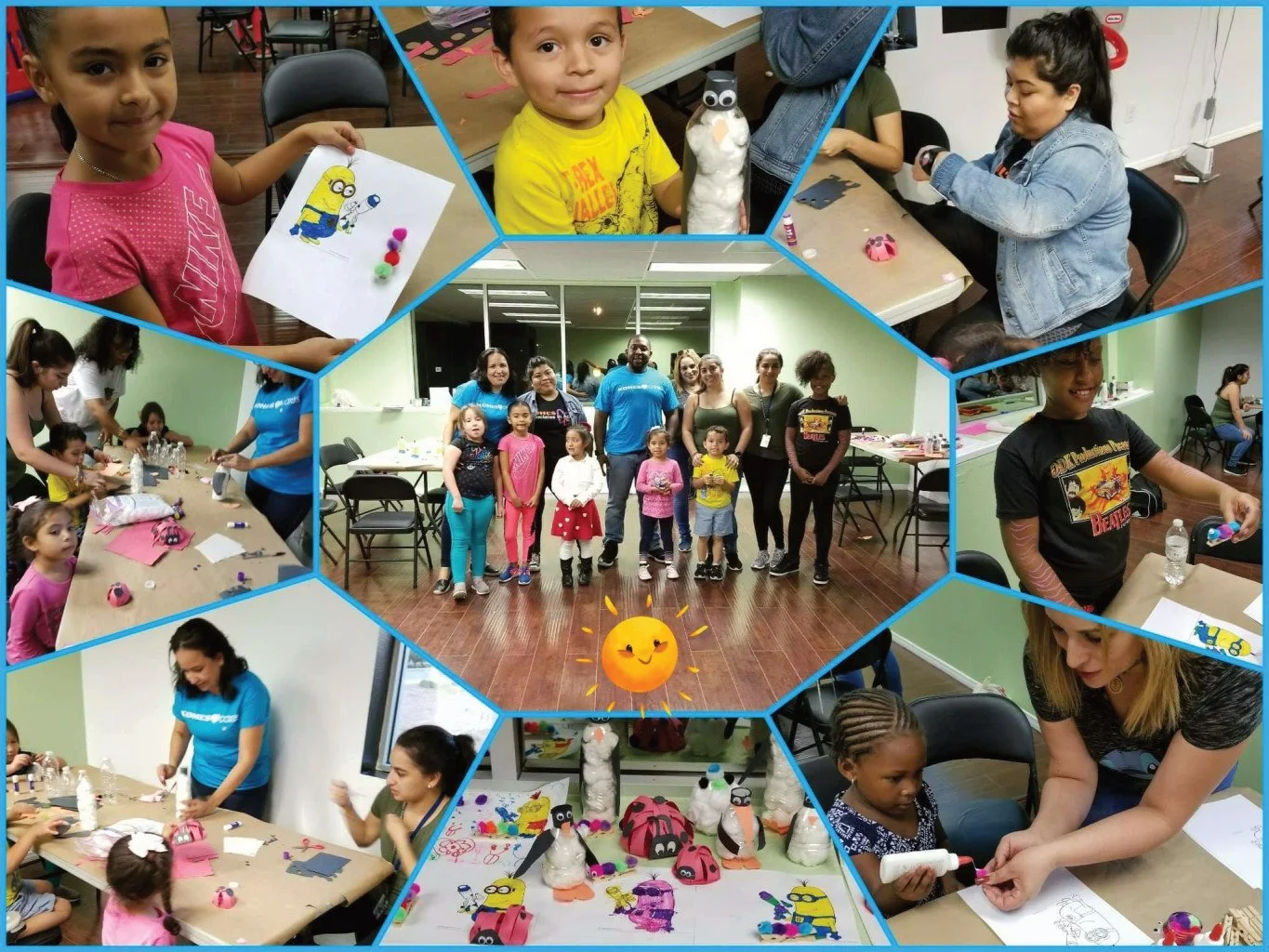
Creative arts & crafts workshops 🎨
Family engagement events and take-home resources 👨👩👧👦
🔹 Outputs
Number of children served (ages 2–12)
Number of workshops and sessions delivered
Number of families engaged
Educational materials distributed
🔹 Short-Term Outcomes
Increased knowledge of healthy foods
Improved reading engagement and vocabulary
Increased willingness to try new fruits and vegetables
Improved social skills and confidence
🔹 Long-Term Outcomes
Healthier eating habits among children and families
Improved literacy and school readiness
Increased family engagement around wellness
Reduced nutrition inequities in the community
🔹 Impact
Children and families develop lifelong healthy habits, increased literacy skills, and confidence through creative, culturally responsive nutrition education.
Driven by curiosity and built on purpose, this is where bold thinking meets thoughtful execution. Let’s create something meaningful together.
Contact us
Interested in working together? Fill out some info and we will be in touch shortly. We can’t wait to hear from you!